

Remove Mold: Safe DIY Methods, Professional Options & Prevention (2026 Guide)
Discovering mold in your home can feel overwhelming, but understanding when you can tackle it yourself and when to call professionals makes all the difference. This guide is for North Atlanta homeowners concerned about mold in their homes. Mold can cause health problems and property damage if not addressed promptly. This guide covers everything North Atlanta homeowners need to know about mold removal—from effective DIY cleaning solutions to professional remediation and long-term prevention strategies.
Key Takeaways
- Small surface mold under 10 square feet on non-porous surfaces can often be cleaned safely by homeowners, but larger infestations or hidden mold in walls, HVAC systems, or after floods typically requires professional mold remediation. A “small area” is defined as less than 10 square feet (about the size of a standard bath towel); anything larger should be handled by professionals.
- The most effective mold-killing products include white vinegar, hydrogen peroxide, borax, baking soda, and commercial mold remover options—each works best on specific surface types and situations.
- Moisture control through fixing leaks, using a dehumidifier, and improving ventilation is the only way to permanently remove mold and prevent future mold growth from returning.
- T.A.C.T. North Atlanta offers 24/7 professional mold remediation for homes and businesses, especially critical when mold covers more than 10 square feet or appears in HVAC systems, inside walls, or after water damage events.
- Always wear proper PPE including an N95 respirator, rubber gloves, and eye protection when cleaning mold, and never mix bleach with ammonia or other cleaning products—this combination creates toxic fumes that can cause serious health problems.
What Professionals Use to Remove Mold
Certified professional mold remediators don’t rely on a single product or method. Instead, they combine moisture diagnostics, physical containment, specialized cleaning agents, and advanced air filtration to ensure thorough removal without spreading mold spores throughout your property.
Professional-grade tools and methods include:
- HEPA vacuums capturing 99.97% of particles down to 0.3 microns
- Negative air machines creating controlled pressure to contain spores
- Air scrubbers cycling 500 CFM through HEPA filtration
- Dry-ice blasting at -109°F for structural wood without abrasion damage
- Antimicrobial coatings applied to cleaned surfaces
Pros typically use EPA-registered fungicides, quaternary ammonium compounds, and hydrogen peroxide-based cleaners designed to work without leaving harsh residues. On porous materials like framing and subfloors, professionals often remove and dispose of heavily contaminated materials rather than just surface cleaning, following IICRC S520 standards.
T.A.C.T. North Atlanta technicians are trained to select products appropriate for occupied homes, medical facilities, and sensitive environments where harsh chemicals aren’t suitable, drawing on our broader mold remediation and inspection services in North Atlanta.
Before You Try to Remove Mold
Finding and eliminating the moisture source matters more than choosing the right cleaning solution. Without addressing the water problem, any mold problem will return within weeks.
Common moisture sources in North Atlanta homes include plumbing-related issues that often require coordinated plumbing and mold remediation services:
- Roof leaks after spring storms
- Slow plumbing leaks behind kitchen sinks or in walls
- Unvented bathrooms in older townhouses
- Wet basements and crawlspaces with poor drainage
- HVAC condensation from clogged drain pans
Georgia’s humid climate provides ideal conditions for mold growth much of the year. If you see visible mold, inspect adjacent areas—behind baseboards, under carpet, inside cabinets—especially after water events like washing machine overflows or flooded basements, when prompt water damage restoration can prevent a small issue from becoming a major mold problem.
Do NOT attempt DIY mold removal if:
- The affected area exceeds roughly 10 square feet
- You detect a strong musty odor without a visible source
- Mold is linked to sewage, floodwater, or an unattended death scene
Should You Test Mold Before Removal?
For most homeowners, visible mold or a persistent musty odor provides enough evidence that remediation is needed. Species identification rarely changes the cleanup approach.
Testing may make sense when:
- Legal disputes arise between tenants and landlords
- Pre-purchase inspections for commercial buildings require documentation
- Repeated unexplained health complaints occur in properties with hidden moisture
Invest first in a thorough inspection examining moisture sources rather than spending on lab analysis that won’t change your cleanup steps. When professional testing is genuinely needed, hire a third-party industrial hygienist or consider specialized indoor air quality testing in Atlanta.
How to Remove Mold Yourself (Small Areas)
This section covers limited mold growth under 10 square feet on non-porous surfaces or lightly porous surfaces—think bathroom ceilings, tile grout, or window frames.
Required Safety Gear
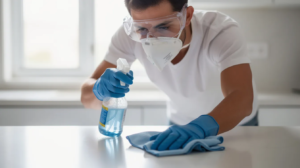
- N95 or better respirator filtering 95% of spores
- Nitrile or rubber gloves
- Eye protection or goggles
- Old clothing you can wash immediately or discard
Step-by-Step Process
- Isolate the area by closing doors and covering nearby vents with plastic sheeting.
- Improve ventilation to outdoors using a window fan exhausting air.
- Avoid dry brushing or vacuuming without HEPA filtration—this spreads spores.
DIY Cleaning Solutions
- White vinegar (undiluted): Spray directly onto the surface and leave for 30-60 minutes before wiping clean. Best for bathroom tile and painted walls.
- 3% hydrogen peroxide: Apply foam onto the area, let it sit for 10 minutes, then wipe away. Best for shower doors, caulk, and hard surfaces.
- Borax solution: Mix one cup per gallon of warm water. Scrub the area with a sponge or brush. Best for walls needing residual protection.
- Baking soda paste: Apply to mold stains, scrub gently, and rinse. Best for grout and odor absorption.
- Chlorine bleach: Use only on hard, non-porous surfaces like ceramic tile. Ensure excellent ventilation and never mix with ammonia.
Removing Mold From Different Surfaces
Drywall and Painted Walls
If drywall is soft, crumbling, or visibly damaged, cut out and replace the affected sections. For surface mold on intact drywall, clean with vinegar or borax solution and allow to dry completely.
Concrete Walls and Floors
Common in North Atlanta basements and garages, concrete requires:
- Scrubbing with mold-specific cleaner or borax solution.
- Thorough rinsing with clean water.
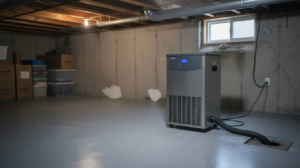
- Full drying with fans and a dehumidifier.
- Applying masonry sealer or mold-resistant coating.
HVAC Systems
If you notice visible mold or musty odors when the AC runs, don’t attempt DIY cleaning inside ductwork. HVAC mold requires professional evaluation following NADCA standards.
What Actually Kills Mold? (Product Comparison)
| Product | Effectiveness | Best Use | Limitations |
|---|---|---|---|
| Chlorine bleach | Fast surface kill | Tile, grout, glass | Strong fumes, ineffective on porous materials |
| White vinegar | 82% of species | Various surfaces, eco-friendly | Lingering odor |
| Hydrogen peroxide | Good lift and kill | Bathrooms, kitchens, laundry | Test on colored surfaces first |
| Borax | Cleans + residual protection | Walls, wood | Requires thorough rinsing |
| Baking soda | Mild cleaner/deodorizer | Grout, spot treatment | Best combined with other agents |
Note: Dead mold spores still trigger allergies. Wiping with a damp cloth, HEPA vacuuming, and proper disposal are essential after any treatment. Never mix bleach with ammonia.
When to Call a Professional Mold Remediation Company
Contact professional mold remediators like T.A.C.T. North Atlanta when:
- Mold covers an area larger than 32 square feet.
- Mold returns after repeated cleanings.
- Growth appears in attics, crawlspaces, or inside walls.
- Mold follows sewage backups or floodwater.
- Strong musty odors persist without a visible source.
How to Prevent Mold After You Remove It
Humidity Targets
Keep indoor relative humidity under 50-55% using dehumidifiers and air conditioning, especially from April through October.
Response Timeline
Fix leaks within 24-48 hours. Mold can begin growing on damp drywall or carpet within this window if materials aren’t thoroughly dried.
Ventilation Improvements
- Install exhaust fans in bathrooms and kitchens vented directly outdoors.
- Open windows on low-humidity days to circulate fresh air.
- Ensure clothes dryers vent properly outside.
Building Upgrades for High-Risk Areas
- Mold-resistant drywall in bathrooms
- Moisture-barrier paint in basements
- Regular cleaning of condensation-prone windows and HVAC drain pans
Schedule periodic inspections of attics, crawlspaces, and areas behind stored items—especially after storms or extended humid periods. Catching extra moisture early prevents mold from establishing.
Why Choose T.A.C.T. North Atlanta for Mold Removal
T.A.C.T. North Atlanta operates as a specialized remediation company with extensive experience in mold, biohazards, and water damage restoration.
Our capabilities include:
- Full mold remediation following IICRC standards
- Moisture and source investigation
- Removal and replacement of contaminated building materials
- Odor removal for damp areas and musty spaces
- Follow-up disinfection for homes and commercial facilities
FAQ About Mold Removal
Is it safe to sleep in a room with mold?
Regularly sleeping in a room with visible mold or a strong musty odor is not recommended. Exposure can cause respiratory irritation and worsen conditions like asthma. Relocate sleeping arrangements until moisture issues are fixed and cleanup is complete.
How long does professional mold remediation take?
- Small projects: 1 day
- Moderate projects: 2-4 days
- Large projects: 1 week or more
Will insurance pay to remove mold?
Many policies cover mold only when resulting directly from a covered water event, like a sudden pipe burst. T.A.C.T. North Atlanta helps document damage and communicate with adjusters to support your claim.
How soon does mold start growing after water damage?
In North Atlanta’s climate, mold can begin growing within 24-48 hours. Start water extraction and drying immediately after any leak or flood to prevent mold from establishing.