
Emergency biohazard cleanup is required when hazardous biological materials are released in a way that threatens human health or the environment. These materials may include bacteria, viruses, toxins, or infectious agents such as AIDS, MRSA, Ebola, influenza, or COVID-19. The primary objective of such a cleanup is to respond quickly, contain the biohazard, and minimize…

Hoarding, as defined by Merriam-Webster, is “the practice of collecting or accumulating something.” While collecting items isn’t inherently negative—after all, we all accumulate things to function in daily life—it becomes problematic when it turns into a compulsive behavior. When individuals feel compelled to continuously accumulate items and experience significant distress at the thought of discarding…

Reports of bird flu increasing its risk to humans have been a recurring concern this year. ABC News highlighted this issue in an article from May 24, 2024. The urgency of the situation was brought closer to home with a recent report from USA Today. The tragic deaths of a cheetah, a mountain lion, a…
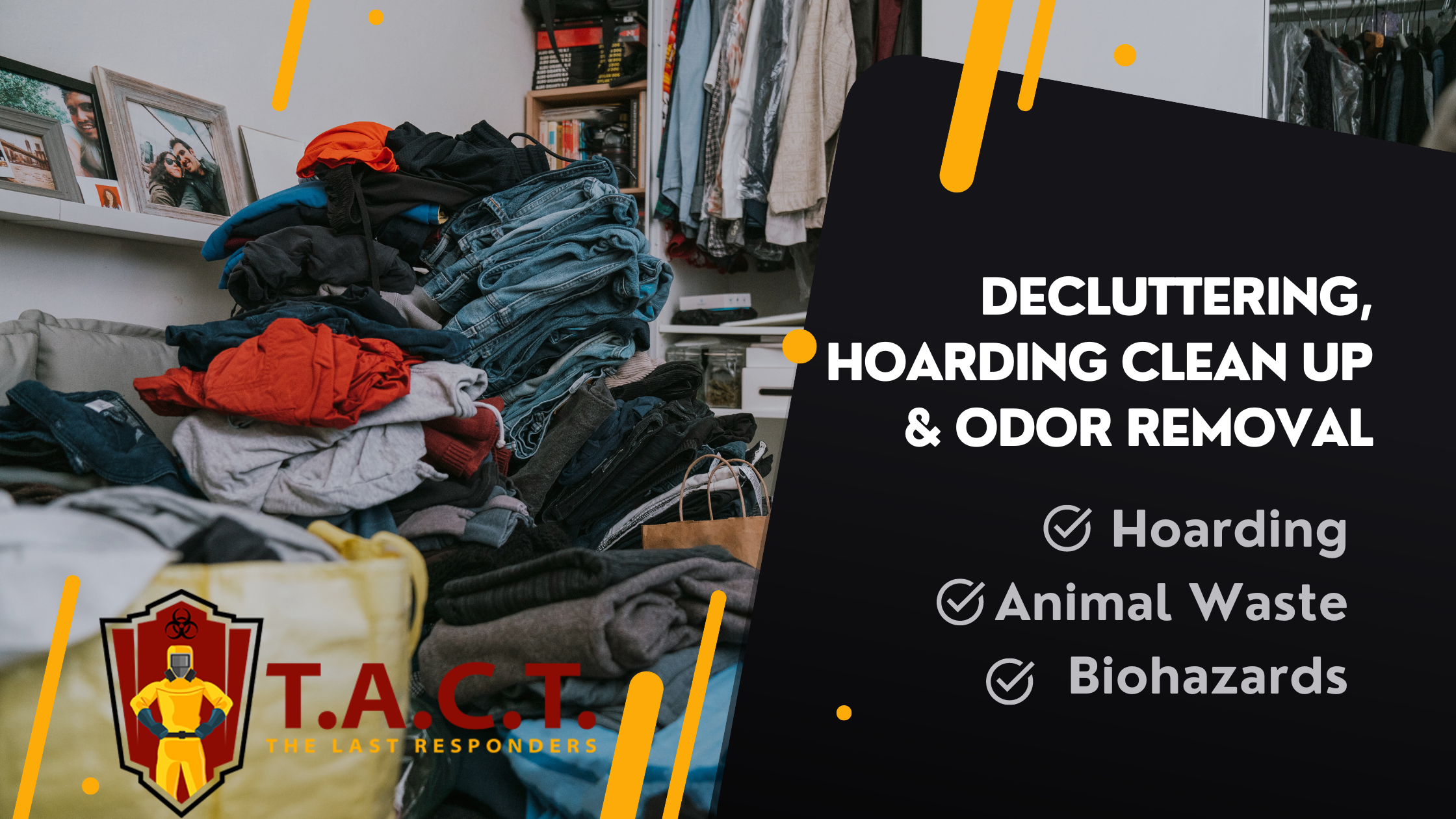
Over a lifetime, accumulating possessions can lead to clutter that, if left unchecked, may eventually become overwhelming. This scenario becomes especially poignant when someone passes away, leaving behind a trove of items for their friends and family to sort through. This task can be daunting, emotionally taxing, and time-consuming. It’s even more challenging when the…
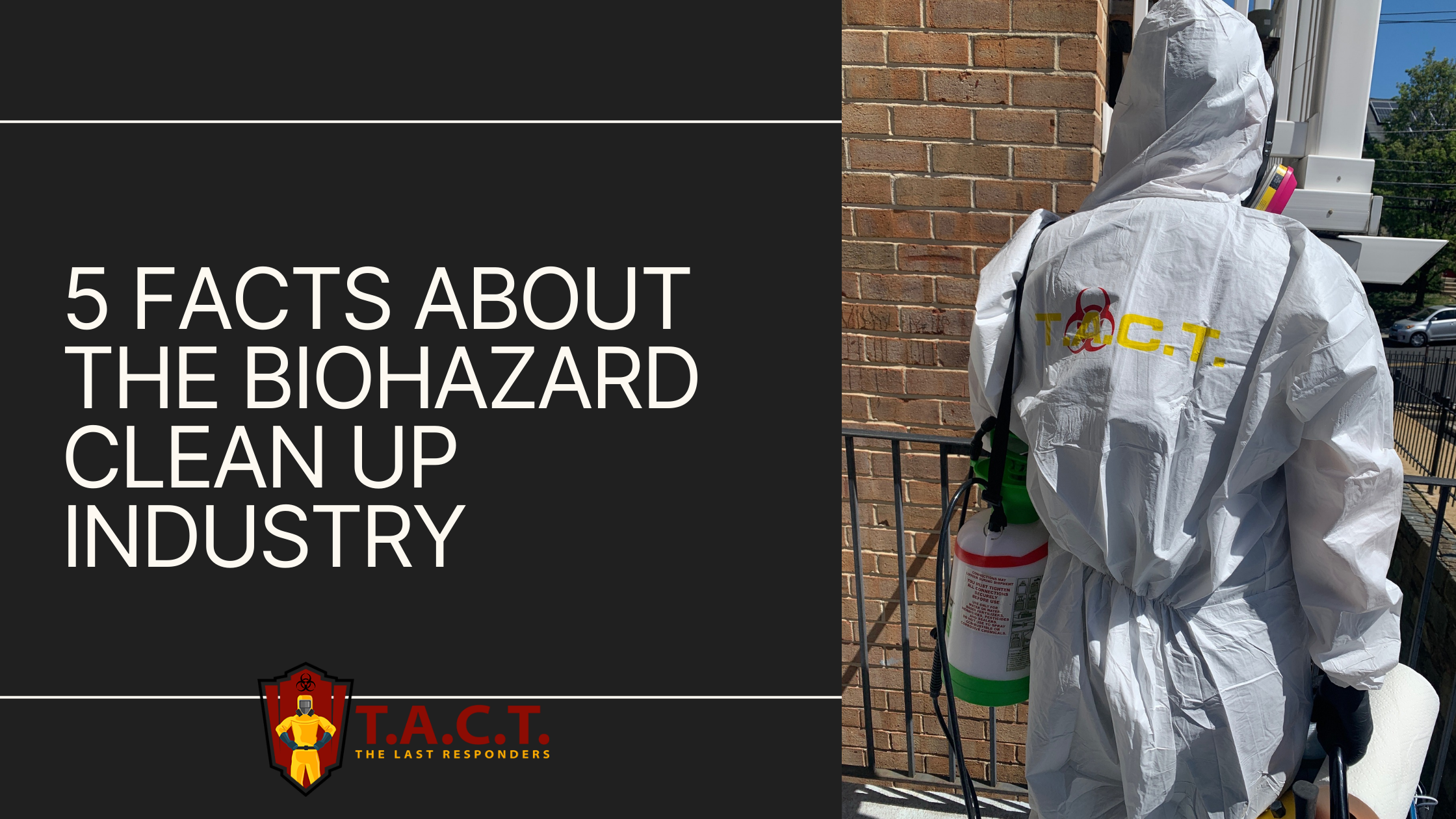
Primarily Small, Locally Owned Enterprises Despite being affiliated with well-known franchise brands, most crime scene cleaning companies are small, locally owned businesses. Franchises operate independently, emphasizing the local ownership and community-oriented nature of their operations. This local ownership allows for personalized, attentive service tailored to the needs of each community. Specialists in Handling the Unthinkable…
- « Previous
- 1
- 2