Hantavirus Awareness: Rodent-Borne Hazards in the DC Metro Area The recent passing of Betsy Arakawa, wife of legendary actor Gene Hackman, due to hantavirus infection, has brought renewed attention to the dangers of rodent-borne illnesses. Hantavirus, a rare but serious disease, is spread through contact with rodent droppings, urine, or saliva, particularly in enclosed spaces…

Navigating the Aftermath: Steps After a Traumatic Loss The loss of a loved one is always devastating, but when that loss is sudden, unexpected, and traumatic—such as in cases of suicide, homicide, or an unattended death—it brings a unique and overwhelming set of challenges. Many people in these situations are left in shock, uncertain of…

Common Questions About Insurance Coverage Many people are unaware that most property insurance policies—whether for homes, condos, or automobiles—often cover the cost of biohazard remediation services like those offered by T.A.C.T. Ft Worth. Acting promptly when biohazard conditions arise is crucial not only for health and safety but also to ensure that your insurance coverage…
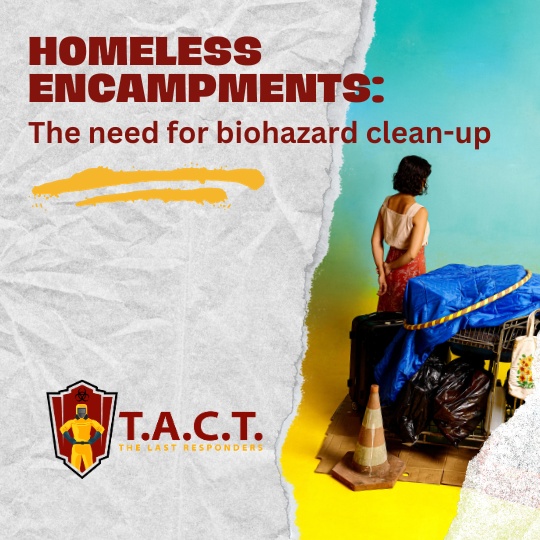
Update from January 2024 Blog: In November 2024, Arizona voters approved Proposition 312, a new law designed to help property owners when local governments don’t enforce certain public nuisance laws. This means if your city or county isn’t addressing issues like illegal camping or public drug use, and it affects your property, you might be…
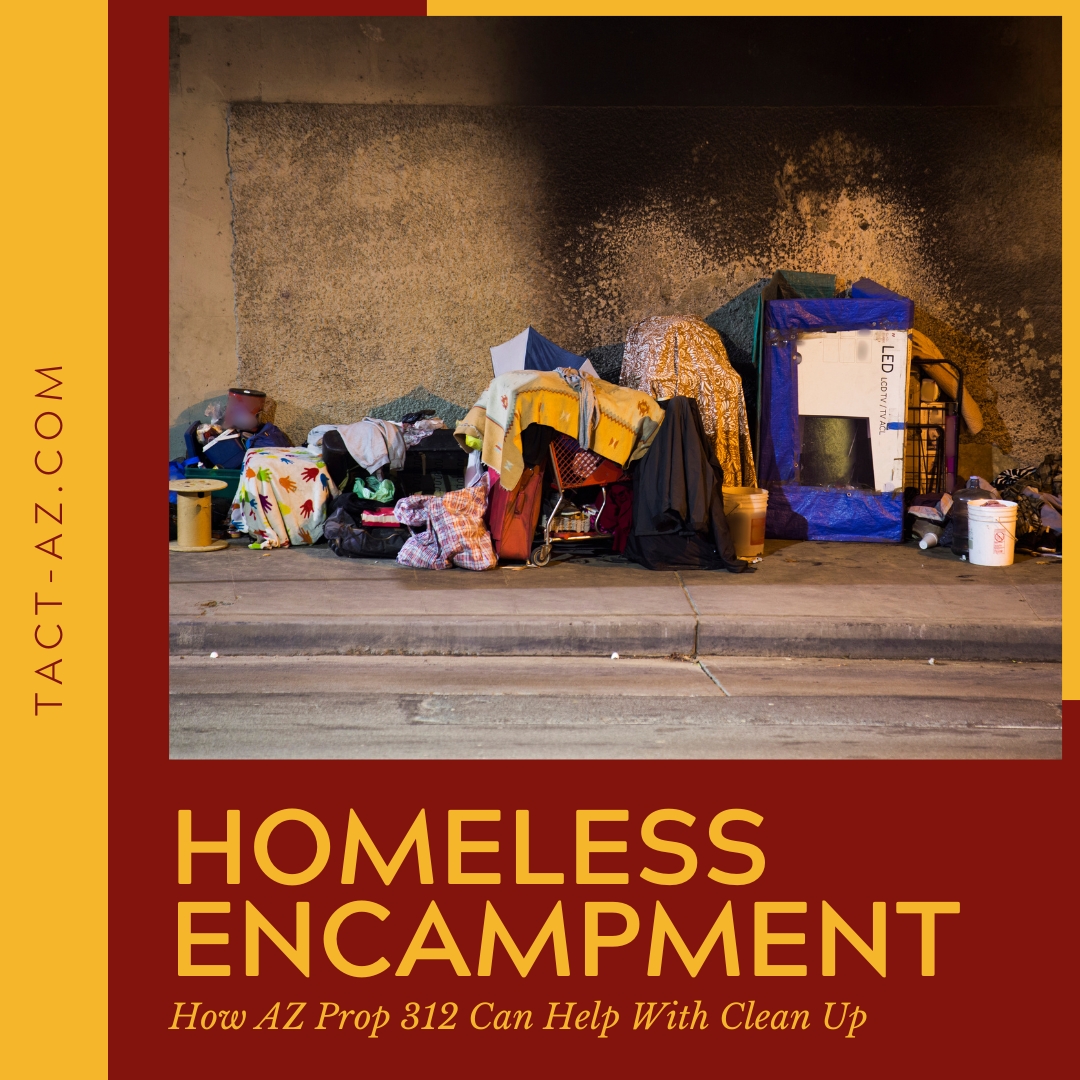
In November 2024, Arizona voters approved Proposition 312, a new law designed to help property owners when local governments don’t enforce certain public nuisance laws. This means if your city or county isn’t addressing issues like illegal camping or public drug use, and it affects your property, you might be able to get some of…
A common question we often hear when people learn about our biohazard remediation business is, “Can’t someone just clean that up themselves?” This question typically comes from those who have never encountered a biohazard situation or were unaware that professional services like ours even exist. When it comes to biohazard remediation—especially in cases of large…
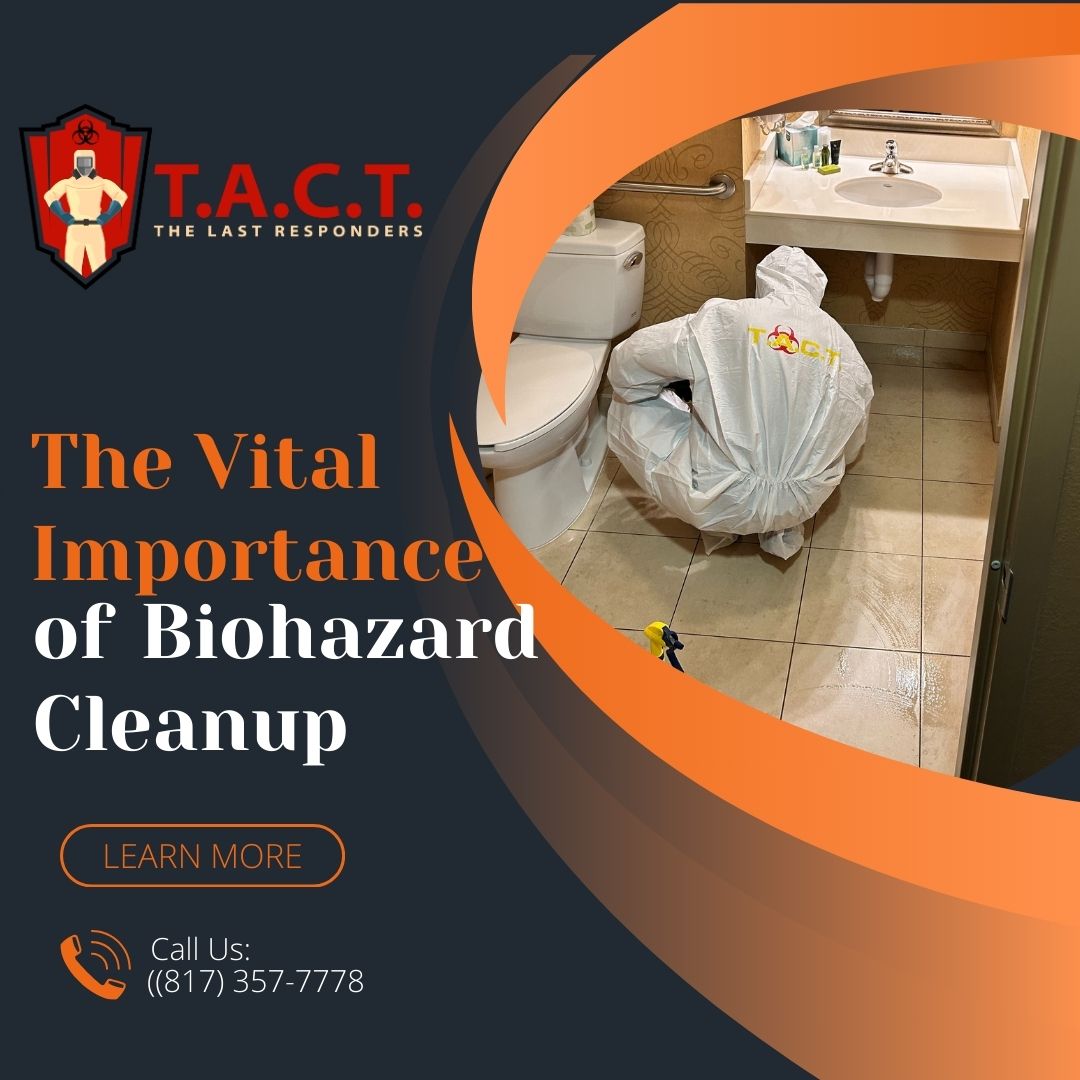
Emergency biohazard cleanup is required when hazardous biological materials are released in a way that threatens human health or the environment. These materials may include bacteria, viruses, toxins, or infectious agents such as AIDS, MRSA, Ebola, influenza, or COVID-19. The primary objective of such a cleanup is to respond quickly, contain the biohazard, and minimize…
Hoarding, as defined by Merriam-Webster, is “the practice of collecting or accumulating something.” While collecting items isn’t inherently negative—after all, we all accumulate things to function in daily life—it becomes problematic when it turns into a compulsive behavior. When individuals feel compelled to continuously accumulate items and experience significant distress at the thought of discarding…
Reports of bird flu increasing its risk to humans have been a recurring concern this year. ABC News highlighted this issue in an article from May 24, 2024. The urgency of the situation was brought closer to home with a recent report from USA Today. The tragic deaths of a cheetah, a mountain lion, a…
After a biohazard event, a smell can linger due to the presence of bacteria, viruses, and decaying organic material. These substances release volatile organic compounds (VOCs) and other gases, including ammonia and sulfur compounds, which have strong, unpleasant odors. The smell is a result of the breakdown of proteins, fats, and carbohydrates in organic material,…