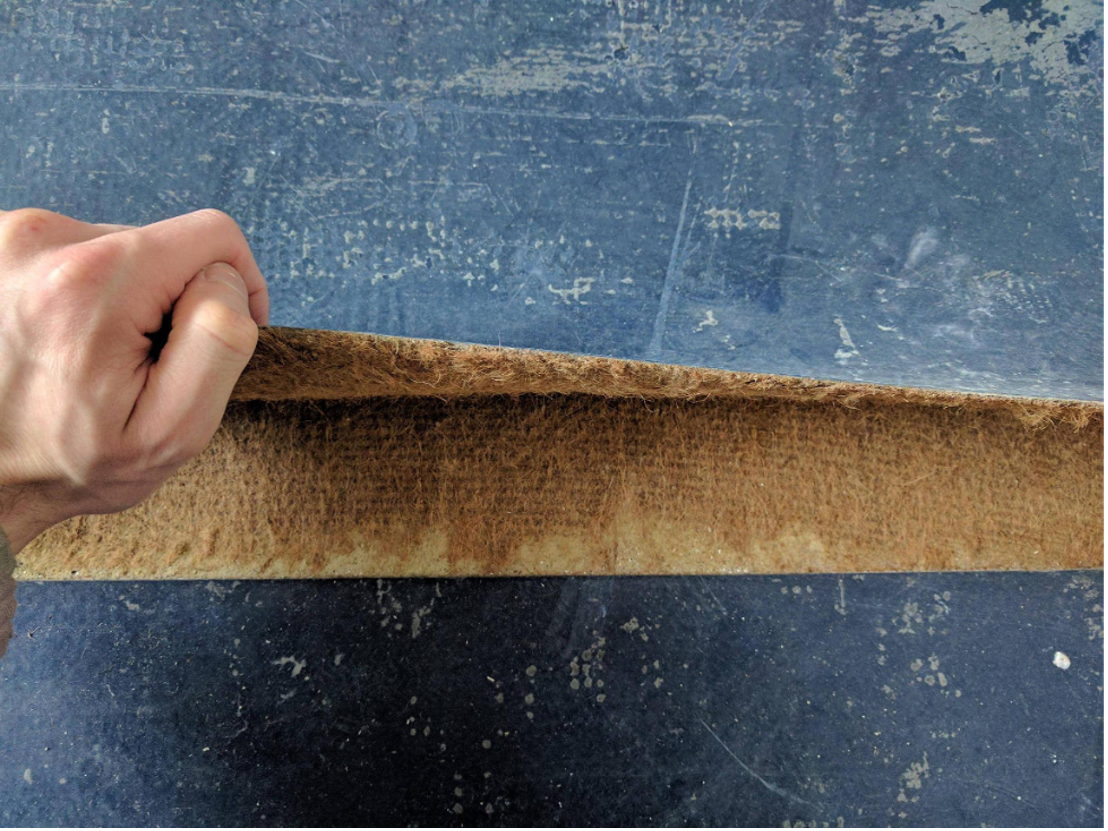
When it comes to odor removal in Northwest Arkansas, working with a certified biohazard professional like T.A.C.T. of NWA ensures safe, thorough, and lasting results. Here’s why our expertise stands out for homes and businesses dealing with tough or hazardous odors. Expertise in Handling Hazardous Contaminants Odors caused by mold, sewage, blood, bodily fluids, or…
When the team at T.A.C.T. 48 agreed to open their world to a film crew, they had no idea just how deeply the experience would resonate—not only with them, but soon with millions of viewers across the US; UK and beyond. Now, with the highly anticipated documentary series Crime Scene Cleaners premiering on BBC Four,…
Biohazard incidents can occur unexpectedly, posing significant health risks and emotional distress for homeowners. These situations often involve hazardous materials that require professional handling to ensure safety and prevent further contamination. T.A.C.T. (Trauma and Casualty Team) specializes in biohazard recovery services, offering homeowners comprehensive assistance to restore their properties safely and efficiently. The Importance of…

After a biohazard event, lingering odors are often caused by bacteria, viruses, and decaying organic material. These substances release volatile organic compounds (VOCs) and other gases, such as ammonia and sulfur compounds, which produce strong, unpleasant smells. These odors result from the breakdown of proteins, fats, and carbohydrates in organic material, a process often accelerated…
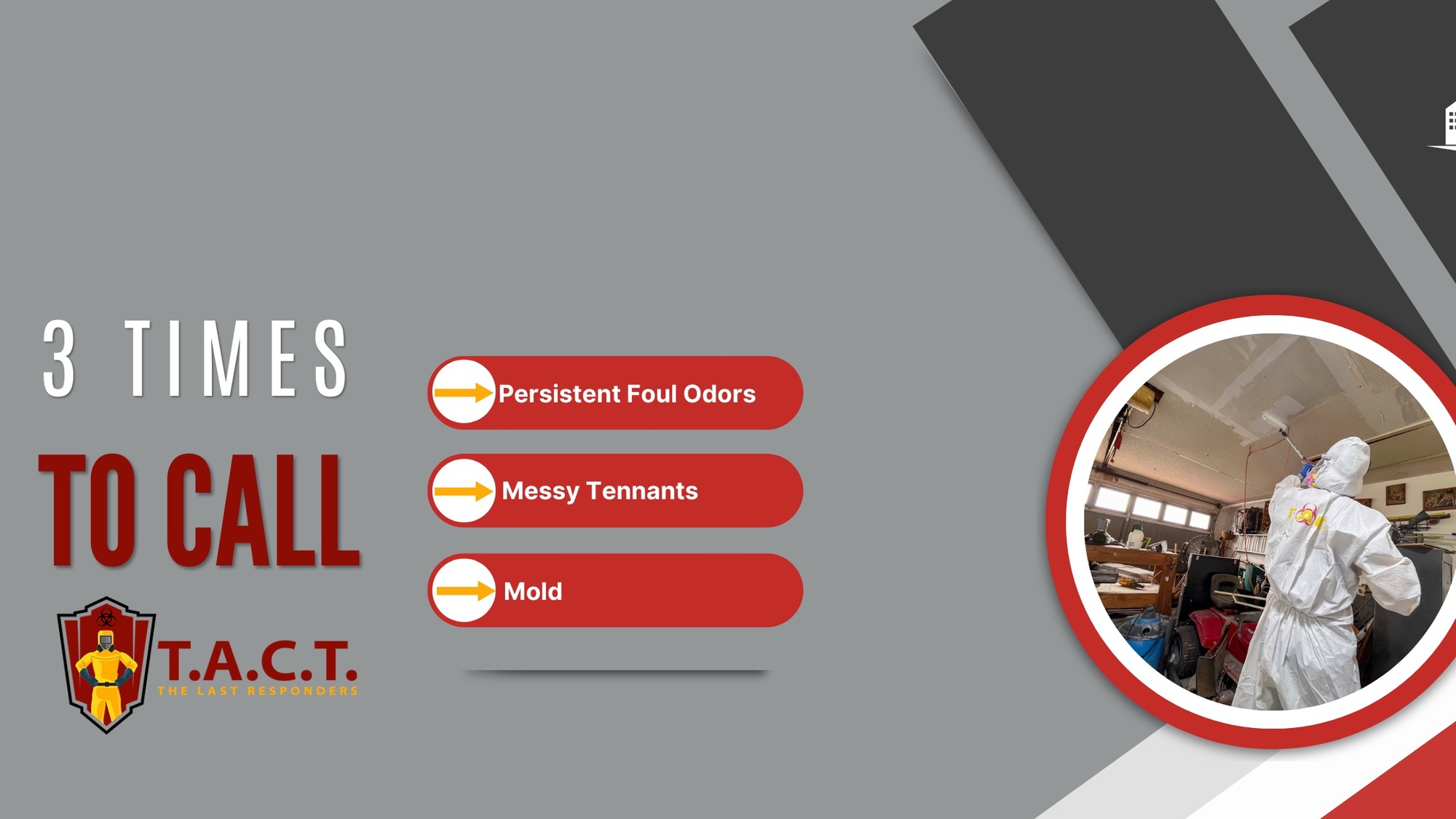
When people think of biohazard cleaning companies, they often assume their work is limited to crime scenes, suicides, or other traumatic events. While that is a critical part of the job, biohazard remediation specialists like T.A.C.T. DC Metro offer much more—helping homeowners, landlords, and business owners with complex cleaning and decontamination needs. Here are three…
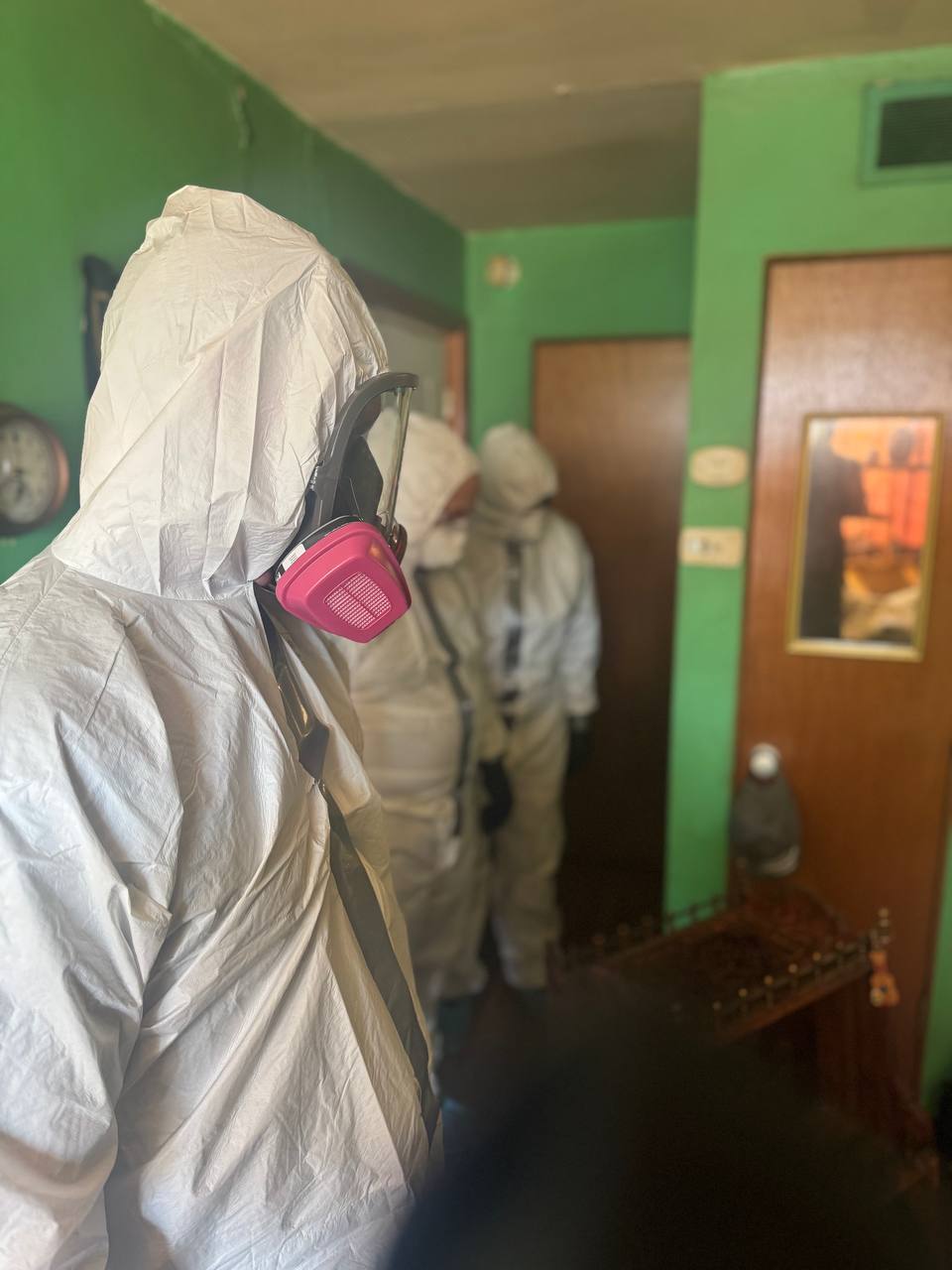
The Effects of Heat on Decomposition: Why Rapid Cleanup is Crucial Decomposition is a natural process, but when combined with high temperatures, it accelerates dramatically. This rapid breakdown has significant implications for biohazard remediation, making timely intervention critical. In this article, we’ll explore: How heat impacts decomposition The risks associated with delayed cleanup Proven techniques…

After a biohazard event, a smell can linger due to the presence of bacteria, viruses, and decaying organic material. These substances release volatile organic compounds (VOCs) and other gases, including ammonia and sulfur compounds, which have strong, unpleasant odors. The smell is a result of the breakdown of proteins, fats, and carbohydrates in organic material,…

Over a lifetime, accumulating possessions can lead to clutter that, if left unchecked, may eventually become overwhelming. This scenario becomes especially poignant when someone passes away, leaving behind a trove of items for their friends and family to sort through. This task can be daunting, emotionally taxing, and time-consuming. It’s even more challenging when the…
Hoarding is a complex psychological disorder characterized by the excessive accumulation of possessions, often to the point where living spaces become unusable. While hoarding itself is a challenging issue to deal with, it can sometimes intersect with another alarming problem: undiscovered deaths. It is not uncommon for family members to find a hoarding situation that…
In times of crisis, first responders are our heroes. They arrive swiftly at the scene of accidents, suicides, homicides, and unattended deaths to provide immediate assistance and care. However, once their work is done, another crucial step remains: the safe and thorough cleanup of biohazardous materials, such as blood and bodily fluids, left behind. This…